- HOME
- ABOUT
- Where to go
![travel-planning-tanzania]()
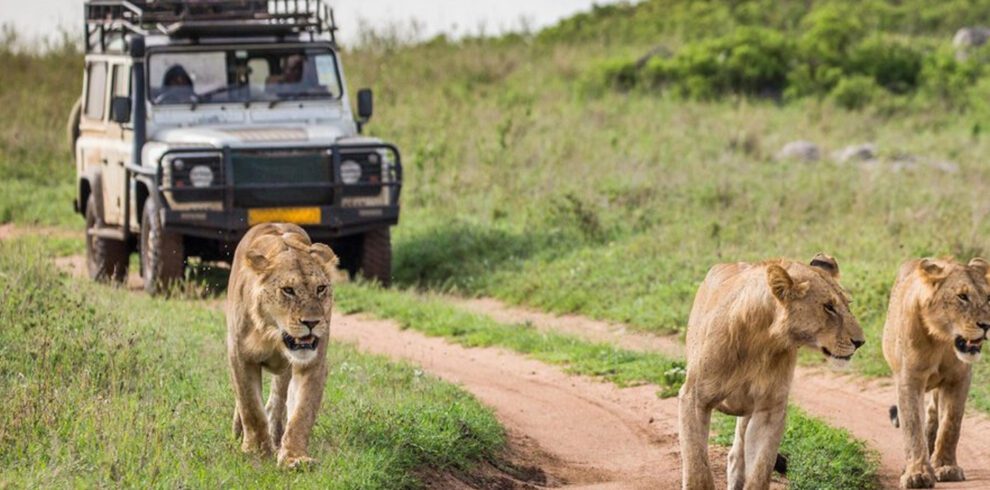
Tanzania National Parks
Tanzania’s parks offer diverse wildlife and landscapes, from the Serengeti plains to Kitulo’s highlands..
Mount Kilimanjaro
This trek follows a scenic route with a strong chance of reaching the summit, passing through five climate zones..
Pugu Hills Adventure
Enjoy a refreshing hike through Pugu Hills, surrounded by forested trails and rolling landscapes..
Mount Everest Base Camp
The Everest Base Camp trek can be done via different routes, including the classic Lukla trail, Gokyo Lakes..
Zanzibar Adventure
Zanzibar offers white-sand beaches, coral reefs, and vibrant culture. Enjoy swimming, snorkeling..
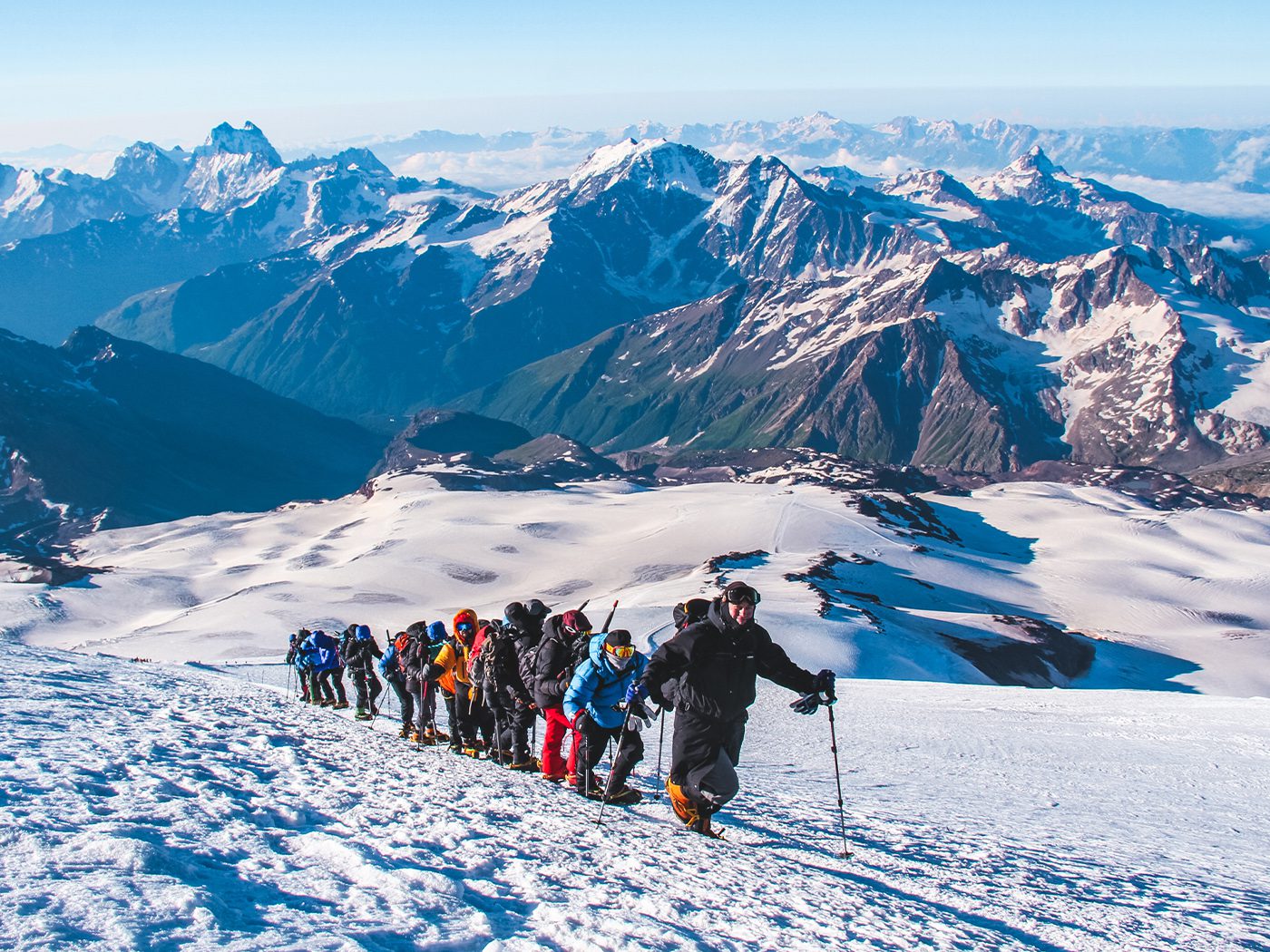
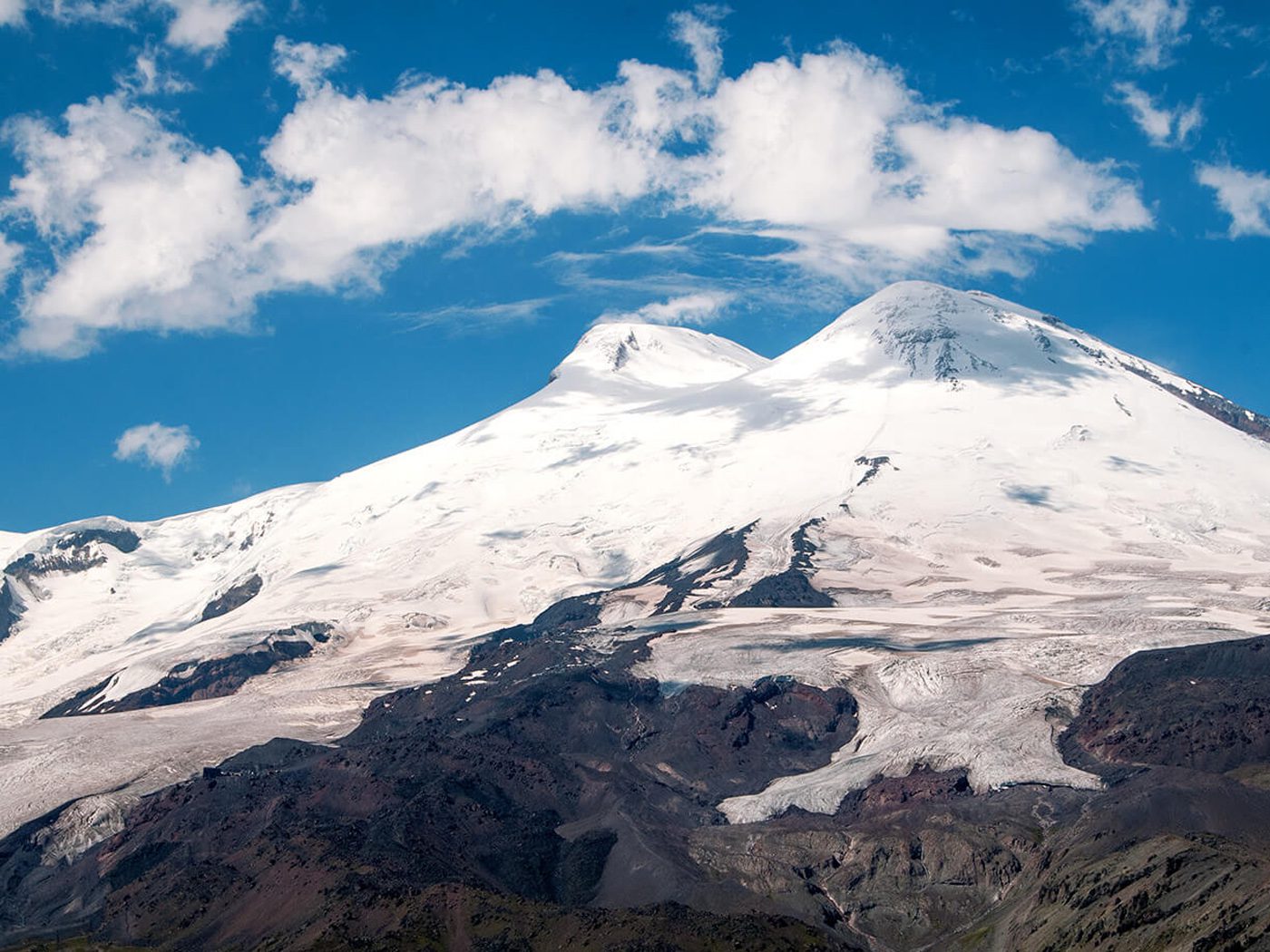
Mount Elbrus Trek
This trek follows a scenic route with gradual acclimatization, passing through alpine meadows..
- TOURS PACKAGES
- NEWS & BLOGS
- CONTACT US

- HOME
- ABOUT
- Where to go
![travel-planning-tanzania]()
Tanzania National Parks
Tanzania’s parks offer diverse wildlife and landscapes, from the Serengeti plains to Kitulo’s highlands..
Mount Kilimanjaro
This trek follows a scenic route with a strong chance of reaching the summit, passing through five climate zones..
Pugu Hills Adventure
Enjoy a refreshing hike through Pugu Hills, surrounded by forested trails and rolling landscapes..
Mount Everest Base Camp
The Everest Base Camp trek can be done via different routes, including the classic Lukla trail, Gokyo Lakes..
Zanzibar Adventure
Zanzibar offers white-sand beaches, coral reefs, and vibrant culture. Enjoy swimming, snorkeling..
Mount Elbrus Trek
This trek follows a scenic route with gradual acclimatization, passing through alpine meadows..
Tanzania National Parks
Tanzania’s parks offer diverse wildlife and landscapes, from the Serengeti plains to Kitulo’s highlands..
Mount Kilimanjaro
This trek follows a scenic route with a strong chance of reaching the summit, passing through five climate zones..
Pugu Hills Adventure
Enjoy a refreshing hike through Pugu Hills, surrounded by forested trails and rolling landscapes..
Mount Everest Base Camp
The Everest Base Camp trek can be done via different routes, including the classic Lukla trail, Gokyo Lakes..
Zanzibar Adventure
Zanzibar offers white-sand beaches, coral reefs, and vibrant culture. Enjoy swimming, snorkeling..
Mount Elbrus Trek
This trek follows a scenic route with gradual acclimatization, passing through alpine meadows..
- TOURS PACKAGES
- NEWS & BLOGS
- CONTACT US