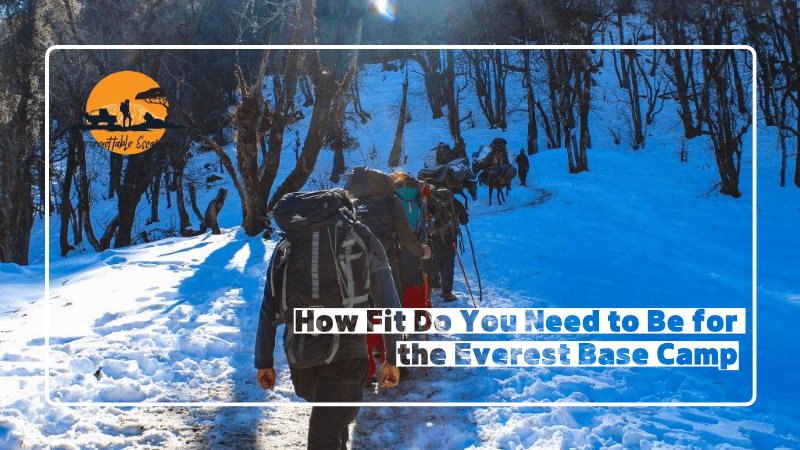
The Everest Base Camp (EBC) trek is one of the world’s most recognised high-altitude trekking adventures. But do you need to be an experienced mountaineer or an exceptionally fit athlete to complete it? Not necessarily.
The standard Everest Base Camp trek does not require technical climbing skills, but it does demand good endurance, preparation and the ability to walk for several hours on consecutive days. More importantly, trekkers need to respect the effects of altitude and allow enough time for acclimatisation.
How Difficult Is the Everest Base Camp Trek?
Everest Base Camp sits at roughly 5,364 metres, depending on the reference point used. The trek generally takes around two weeks, including acclimatisation days.
The standard route begins around Lukla and gradually climbs through settlements such as Namche Bazaar, Tengboche, Dingboche, Lobuche and Gorak Shep before reaching Base Camp.
The difficulty comes from the combination of long walking days, steep ascents and descents, uneven trails, cold temperatures and increasing altitude. You do not need to run or be a professional hiker, but being comfortable with several hours of walking is important.
What Level of Fitness Do You Need?
Cardiovascular Endurance
Good cardiovascular fitness helps you manage long trekking days without becoming excessively fatigued. Walking, hiking, cycling, swimming, jogging and stair climbing can all help build endurance.
Instead of focusing only on how fast you can run, concentrate on being able to maintain a steady pace for an extended period.
Leg Strength
Strong legs are particularly useful on mountain trails. Include exercises such as:
- Squats
- Lunges
- Step-ups
- Calf raises
- Stair climbing
Downhill walking also requires strength, so your training should not focus only on climbing uphill.
Core Strength and Balance
Rocky and uneven trails require stability and balance. Core exercises can help you maintain posture while walking with a daypack and navigating uneven terrain.
How Should You Train for Everest Base Camp?
Ideally, start preparing several weeks or months before the trek. Gradually increase both the duration and difficulty of your walks.
During the first few weeks, establish a regular walking and cardiovascular routine. As your fitness improves, introduce hills, stairs and longer hikes.
One of the most useful preparations is back-to-back walking days. The EBC trek is not one long hike followed by several rest days. You will walk repeatedly over multiple days, so your body needs to become comfortable with accumulated fatigue.
If possible, practise with the trekking boots and daypack you intend to use during the actual journey.
Is Altitude More Important Than Fitness?
Yes. This is one of the most important things to understand before an EBC trek.
Namche Bazaar is approximately 3,440 metres above sea level, and the route continues significantly higher. At increasing altitude, the amount of oxygen available to your body decreases.
A person who is extremely fit can still experience altitude-related problems. Physical fitness may help with endurance, but it does not make someone immune to altitude sickness.
That is why a well-designed itinerary includes acclimatisation days.
Why Acclimatisation Matters
Acclimatisation allows your body time to adjust to the reduced oxygen levels. Rather than rushing towards Base Camp, a good itinerary gradually increases sleeping altitude and includes rest or acclimatisation periods.
Trekkers should take symptoms such as headache, nausea, dizziness, unusual fatigue or loss of appetite seriously. Anyone experiencing significant or worsening altitude-related symptoms should seek professional assistance and follow the guidance of their trekking team.
Can Beginners Trek to Everest Base Camp?
Yes, beginners can undertake the trek if they prepare properly and choose an itinerary that allows adequate acclimatisation.
Previous mountain trekking experience is helpful, but it is not essential for the standard route. Someone who currently struggles with a few hours of walking should not attempt the trek without building fitness first.
The goal is not to become an elite athlete. It is to develop enough endurance and strength to walk consistently while adapting to a high-altitude environment.
Does Age Matter?
There is no single age at which someone becomes too old for Mount Everest Base Camp Trek. Individual fitness, trekking experience and overall health are more important than age alone.
Older travellers or anyone with existing medical concerns should consider professional medical advice before undertaking a high-altitude trek. A slower itinerary with additional acclimatisation can also be worth considering.
Everest Base Camp vs Kilimanjaro: Which Is Harder?
For travellers considering both destinations, the comparison is interesting.
Mount Kilimanjaro reaches 5,895 metres, higher than Everest Base Camp. Its summit trek involves significant altitude gain and a demanding final ascent.
Everest Base Camp, on the other hand, involves a longer sequence of trekking days through the Himalayas, with sustained walking and gradual altitude gain.
Neither is automatically harder for everyone. Your experience will depend on fitness, acclimatisation, weather, itinerary, altitude response and previous trekking experience.
For travellers interested in African mountain adventures, Kilimanjaro provides a natural alternative to EBC and can also be combined with a Tanzania safari and Zanzibar holiday.
What Should You Practise Before the Trek?
Your preparation should include more than gym workouts.
Try to include:
- Long-distance walking
- Hill and stair training
- Weekend hikes
- Strength exercises
- Walking with a backpack
- Downhill walking
- Recovery between consecutive training days
Training outdoors is particularly useful because it allows you to become comfortable with uneven terrain and changing conditions.
What Should You Pack?
Good equipment can make a significant difference. Essential items include well-broken-in trekking boots, moisture-wicking base layers, warm insulating clothing, waterproof outerwear, gloves, a hat, sunglasses, sunscreen, trekking poles, a headlamp and a suitable daypack.
Travel insurance that covers high-altitude trekking should also be considered before departure.
When Is the Best Time to Trek to Everest Base Camp?
The two popular trekking periods are spring, from March to May, and autumn, from September to November.
Spring offers relatively favourable trekking conditions and colourful rhododendron landscapes at lower elevations. Autumn is popular for clearer mountain views and generally stable trekking conditions.
Weather can change quickly in the mountains, so conditions should always be considered alongside the season.
Are You Fit Enough for Everest Base Camp?
Ask yourself:
- Can I comfortably walk for several hours?
- Can I handle consecutive walking days?
- Have I trained on hills or stairs?
- Can I walk comfortably with a daypack?
- Have I prepared for cold and changing weather?
- Have I allowed enough time for acclimatisation?
- Have I considered medical advice if necessary?
If the answer to most of these questions is yes, you have a good foundation for preparing for the EBC trek.
Everest Base Camp is challenging, but it is not reserved only for professional mountaineers. With progressive training, realistic expectations, suitable equipment and a properly paced itinerary, many first-time trekkers can take on the journey.
And if your dream is to experience a high-altitude adventure closer to Africa, Mount Kilimanjaro offers another remarkable challenge. Pairing the mountain with a Tanzania safari and a relaxing Zanzibar stay can turn a trekking adventure into a complete Tanzania travel experience.
To learn more, click: Best Beaches in Zanzibar: Where to Relax After Your Kilimanjaro Trek Adventure


Comments are closed