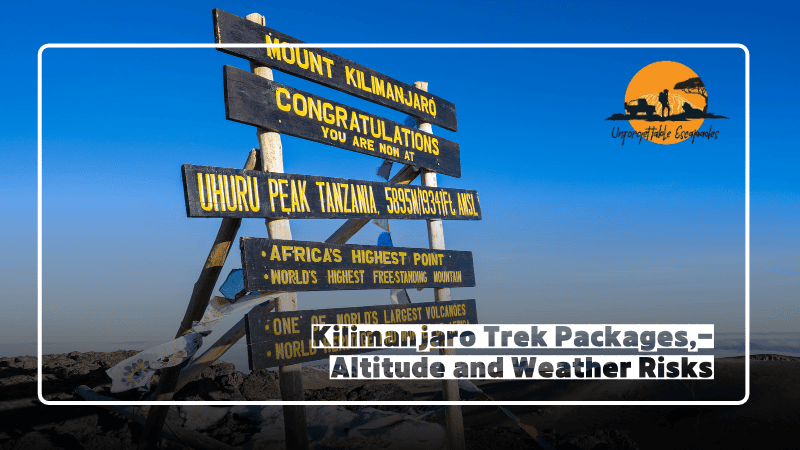
Mount Kilimanjaro is one of Africa’s most iconic adventure destinations and a major attraction for travelers seeking a high-altitude trekking experience. Rising to 5,895 metres (19,341 feet) above sea level, Kilimanjaro is Africa’s highest mountain and one of the world’s most recognizable free-standing mountains.
For first-time trekkers, however, reaching the Kilimanjaro summit trek is not simply about physical fitness. Choosing appropriate Kilimanjaro trek package, understanding altitude, preparing for changing weather and working with an experienced local operator are all important. Here is what travelers should know before planning their Kilimanjaro adventure.
What Is Included in Kilimanjaro Trek Package?
Kilimanjaro trek packages can differ considerably between operators. Before booking, travelers should check exactly what the quoted price includes.
A comprehensive package may include park and conservation fees, camping or mountain-hut accommodation, professional mountain guides, porters, meals during the trek, airport transfers and pre- or post-trek accommodation. Some packages may also include equipment or transfers between the airport and hotel.
TANAPA requires climbers to use licensed tour operators, making the operator’s credentials an important consideration when comparing packages. Travelers should also check whether emergency arrangements, permits, tips and personal expenses are included or excluded.
Which Kilimanjaro Route Should You Choose?
Kilimanjaro has several established routes, and each provides a different trekking experience.
Machame Route
Machame is known for varied scenery and a popular camping-based trekking experience. It can suit travelers looking for a scenic route with a progressive ascent.
Lemosho Route
Lemosho approaches Kilimanjaro from the west and is often selected for its scenic landscapes and longer itinerary options. Additional trekking days can also provide more time for acclimatization.
Marangu Route
Marangu is different because accommodation is provided in mountain huts rather than tents. It is sometimes called the “Coca-Cola Route” and follows a comparatively direct approach to the summit.
Rongai Route
Rongai approaches the mountain from the northern side and offers a different perspective of Kilimanjaro. Route selection should consider duration, scenery, accommodation, traffic and acclimatization rather than simply choosing the shortest package.
How High Is Kilimanjaro and Why Does Altitude Matter?
Altitude is one of the biggest considerations when planning a Kilimanjaro trek. Uhuru Peak reaches 5,895 metres, while Mawenzi rises to approximately 5,149 metres and the Shira Plateau reaches around 3,962 metres.
As trekkers climb higher, the available oxygen decreases. This means that even physically fit travelers can experience altitude-related difficulties. A well-designed itinerary should therefore allow the body enough time to adapt.
Choosing a longer route can provide additional acclimatization opportunities. Trekkers should maintain a steady pace, stay hydrated, follow their guide’s instructions and communicate any concerning symptoms promptly.
What Are the Main Weather Risks on Kilimanjaro?
Kilimanjaro’s weather can change considerably as elevation increases. A trek may begin in relatively warm, humid conditions in the lower forest before becoming significantly colder and windier near the summit.
The mountain contains several ecological zones, including cultivated areas, montane forest, heath and moorland, alpine desert and the summit zone. This means trekkers need to prepare for very different conditions during one expedition.
Rain is more likely in some lower sections during wet periods, while higher elevations can experience strong winds, freezing temperatures and snow or ice. Weather can also affect visibility and trail conditions.
When Is the Best Time for a Kilimanjaro Trek?
Kilimanjaro can be climbed throughout much of the year, but weather patterns influence the trekking experience. The generally drier periods are popular among international trekkers because they can offer more favorable trail conditions and mountain visibility.
The best time depends on your preferred balance of weather, trail conditions and visitor numbers. A local operator can help select a departure period based on the chosen route and itinerary.
What Should You Pack for Kilimanjaro?
Packing for Kilimanjaro requires preparation for multiple climates. Essential items typically include comfortable trekking boots, moisture-wicking base layers, warm mid-layers, waterproof and windproof outerwear, gloves, a warm hat and suitable summit clothing.
Trekkers should also carry sun protection, a headlamp, water bottles or a hydration system, personal medication and basic travel essentials.
Avoid overpacking. Your operator can provide a route- and season-specific packing list before departure.
What Should Travelers From Dubai and the UAE Know?
Travelers planning Kilimanjaro tours from Dubai or elsewhere in the UAE should consider the complete journey rather than the trek alone.
International flights, arrival at Kilimanjaro International Airport, transfers to Moshi or Arusha, pre-trek accommodation and recovery time after the climb should all be incorporated into the itinerary.
A popular option is to combine Kilimanjaro with Tanzania Safari Tours, creating a journey that includes both mountain trekking and wildlife viewing.
What Should Indian Travelers Know About Kilimanjaro Tours?
For travelers researching Kilimanjaro tours from India, the same principle applies: the international journey and mountain itinerary should be planned together.
Travelers can choose private or group trekking arrangements and add pre- or post-trek accommodation according to their schedule. A Kilimanjaro trek can also be combined with destinations such as Serengeti, Ngorongoro, Tarangire or Zanzibar.
Can Kilimanjaro Be Combined With a Tanzania Safari?
Absolutely. Combining the mountain with a safari creates two very different African experiences.
After completing Kilimanjaro, travelers can explore the Serengeti for its expansive savannahs and seasonal wildlife movements, visit the Ngorongoro area for its remarkable crater ecosystem, or explore Tarangire, known for its elephants and distinctive baobab landscapes.
For international travelers, a customized Kilimanjaro trek package and safari itinerary can provide a more complete introduction to Tanzania.
How Do You Choose the Right Kilimanjaro Trek Package?
Look beyond the headline price. Compare the route, number of trekking days, acclimatization schedule, accommodation, park fees, meals, guide and porter arrangements, transfers and safety procedures.
A reputable Tour Operator in Tanzania should provide clear inclusions and realistic information about altitude, weather and trekking conditions.
Plan Your Kilimanjaro Adventure
Whether you are researching Kilimanjaro tours from Dubai, planning a trek from India or looking to combine the mountain with Tanzania Safari Tours, careful planning can make the experience more comfortable and rewarding.
Choosing the right route, allowing sufficient time for acclimatization and preparing for changing mountain weather are essential steps toward a responsible Kilimanjaro adventure.
To learn more, click: What Should First-Time Trekkers Know About the Everest Base Camp Trek in Nepal?

Comments are closed