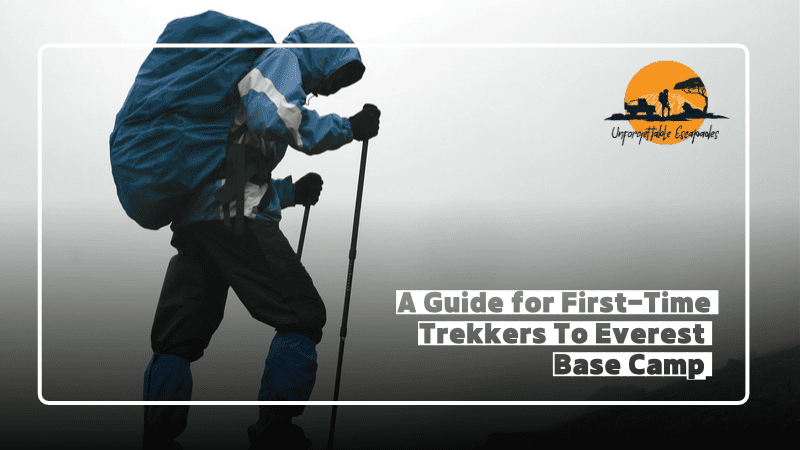
The Everest Base Camp Trek is one of the world’s best-known high-altitude trekking experiences. For first-time trekkers, however, the journey is about more than reaching the base of Mount Everest. It requires preparation, sensible pacing, acclimatization and an understanding of what life on a Himalayan trail is really like.
Mount Everest rises to 8,848.86 metres, while Everest Base Camp trek in Nepal sits at approximately 5,364 metres on the south side of the mountain. The trek combines mountain scenery, Sherpa culture, Buddhist monasteries and demanding walking days, making preparation an important part of the experience.
What Is the Everest Base Camp Trek Really Like?
The classic Everest Base Camp route generally starts at Lukla and passes through settlements such as Namche Bazaar, Tengboche, Dingboche, Lobuche and Gorak Shep before reaching Base Camp. The return journey follows the trail back toward Lukla.
Although the trek does not require technical mountaineering skills, the altitude and terrain make it physically demanding. Trekkers can expect long walking days, rocky paths, suspension bridges, steep sections and changing weather conditions.
For a first-time trekker, the objective should not be to walk quickly. Maintaining a steady pace and allowing enough time for rest can make the experience considerably more manageable.
How Difficult Is Everest Base Camp Trek for a First-Time Trekker?
EBC is achievable for many reasonably fit travelers, but it should not be treated as a casual hike. Physical preparation before departure can make a significant difference.
Regular walking, hill or stair training and progressively longer hikes can help develop endurance. It is also useful to become comfortable walking for several hours while carrying a daypack.
The biggest challenge is often altitude rather than the trail itself. This is why choosing a well-planned itinerary is more important than simply selecting the shortest possible route.
Why Is Acclimatization Important?
Altitude is one of the most important factors first-time trekkers need to understand. As elevation increases, the amount of available oxygen decreases, and the body needs time to adjust.
Namche Bazaar, at around 3,440 metres, is commonly used as an acclimatization stop. Further acclimatization is normally incorporated around Dingboche or Pheriche before continuing toward the higher sections of the route.
A responsible itinerary should include gradual elevation gain and planned rest days. Trekkers should follow their guide’s advice, maintain a comfortable pace and communicate promptly if they feel unwell.
What Will You See Along the Everest Base Camp Route?
The landscape changes dramatically throughout the journey. Lower sections feature forests and mountain villages, while higher areas become increasingly rugged and exposed.
Trekkers can encounter spectacular Himalayan peaks including Everest, Lhotse and Ama Dablam. Buddhist monasteries, prayer flags, suspension bridges and traditional Sherpa settlements add cultural depth to the journey.
The route also passes through Sagarmatha National Park, a UNESCO World Heritage Site covering approximately 1,148 square kilometres. This combination of natural and cultural attractions is one reason the Everest region remains such an important trekking destination.
What Is Accommodation Like During the Trek?
Accommodation is generally provided in mountain tea houses and lodges. Facilities are more developed in places such as Namche Bazaar, while accommodation becomes simpler as trekkers move toward Base Camp.
Rooms, bathrooms, heating and connectivity can vary significantly depending on altitude and location. Travelers should therefore expect a practical mountain experience rather than hotel-style accommodation throughout the route.
Meals commonly focus on filling and familiar options designed to provide energy during long trekking days.
What Should First-Time Trekkers Pack?
Packing should be based on the season, itinerary and expected conditions. Important items generally include layered clothing, comfortable trekking footwear, warm clothing, rain and wind protection, sun protection, a water bottle or hydration system, a headlamp and personal essentials.
It is better to prioritize practical, lightweight equipment rather than carrying unnecessary items. A professional trekking operator can provide destination-specific recommendations before departure.
When Is the Best Time for the Everest Base Camp Trek?
Spring, particularly March to May, and autumn, from September to November, are among the most popular periods for trekking in Nepal. These seasons generally offer favorable conditions for mountain activities and clearer views.
Winter can bring colder temperatures and snow, while the monsoon season can create wetter trail conditions and affect visibility and travel logistics.
The best departure period ultimately depends on the trekker’s priorities, tolerance for cold or rain and preferred travel conditions.
Why Does a Professional Trek Operator Matter?
For first-time trekkers, professional support can simplify many aspects of the journey. A reputable operator can coordinate guides, porters, accommodation, permits, transfers and the overall trekking itinerary.
Local knowledge is particularly valuable when planning acclimatization and responding to changing trail or weather conditions. A well-organized itinerary should also leave room for adjustments instead of treating every day as a fixed schedule.
Can You Combine Everest With a Tanzania Safari?
For travelers who enjoy adventure travel, Nepal can also be part of a broader multi-destination holiday. After experiencing Himalayan trekking, a Tanzania safari offers an entirely different environment and style of adventure.
Tanzania is renowned for its wildlife, national parks, mountains and cultural experiences. Serengeti provides vast savannah landscapes and opportunities to experience the Great Migration, while Ngorongoro offers a distinctive crater ecosystem. Tarangire is particularly known for its elephants and baobab landscapes.
For travelers looking for Tanzania Safari Tours, combining wildlife experiences with cultural activities, a Kilimanjaro adventure or a Zanzibar extension can create a more personalized itinerary.
From Himalayan Trails to Tanzania Safari Tours
The Everest Base Camp Trek demonstrates an important principle of adventure travel: memorable journeys depend on thoughtful planning. From altitude management in Nepal to wildlife viewing and route planning in Tanzania, local expertise can make a significant difference.
A Tour Operator in Tanzania can help travelers design safari experiences around their interests, available time and preferred travel style. Whether the goal is a classic Serengeti safari, a premium wildlife itinerary, a Kilimanjaro expedition or a safari followed by Zanzibar, Tanzania offers several ways to build a personalized adventure.
If Everest Base Camp Trek is your first major trekking experience, prepare patiently, travel responsibly and give yourself enough time to enjoy the journey—not just the destination. And when you’re ready for your next adventure, Tanzania’s wildlife-rich landscapes offer an entirely different experience waiting to be explored.
To learn more, click: What Do Personalized Premium Tour Packages in Tanzania Include?


Comments are closed